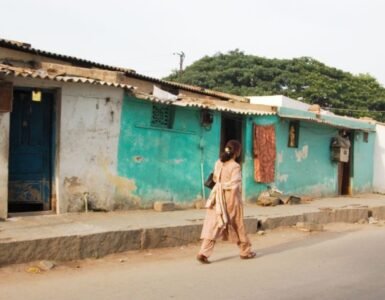
Protest is most meaningful when it is directed not merely at momentary frustration, but at conditions that limit people’s dignity, opportunity and quality of life.
In a developing country, citizens have many legitimate reasons to demand better. Peaceful, lawful protest can draw attention to neglected problems, bring affected communities together and press governments to explain their priorities. The following issues deserve sustained public debate and civic action.
Equal Education, Not Separate Standards
A child’s future should not depend on whether their family can afford a private school. When government schools lack qualified teachers, safe buildings, laboratories, technology or basic learning materials, poorer students begin life at a severe disadvantage. Citizens should demand well-funded public schools, transparent learning standards, accountable administration and fair access to high-quality education. Private schools may continue to offer choice, but they should not become the only reliable route to a good education.
Better Lane Discipline
Driving outside marked lanes is often dismissed as an everyday irritation, yet it increases collisions, blocks intersections and makes traffic unpredictable for motorists, cyclists and pedestrians. The solution requires more than blaming individual drivers. Authorities must provide clear road markings, sensible junctions, consistent enforcement and effective driver education. Citizens have good reason to demand a road culture in which rules are understandable, fairly enforced and followed by everyone.
Affordable Medical Treatment
No family should be pushed into debt because someone becomes ill. High consultation fees, costly medicines, limited insurance coverage and overcrowded public hospitals can turn medical treatment into a privilege rather than a basic service. Public pressure should focus on stronger primary care, better-equipped hospitals, affordable essential medicines, transparent pricing and wider financial protection for patients.
Minimum Wages That Support a Decent Life
Work should provide more than bare survival. A minimum wage loses its purpose when it does not keep pace with housing, food, transport, healthcare and education costs. Citizens should call for wages based on credible living-cost evidence, regular reviews, timely payment and strong enforcement. Small businesses may need practical support during transitions, but workers should not carry the entire cost of economic growth.
Pushing Local Businesses to Compete Internationally
Local businesses should be encouraged to compete beyond the domestic market. Entering international markets can expand sales, create skilled jobs, attract investment and strengthen a country’s reputation for quality and innovation. However, businesses cannot succeed globally through slogans alone.
Citizens should demand dependable infrastructure, simpler export procedures, access to finance, support for research and development, internationally recognised quality standards and practical assistance for smaller firms.
Public policy should help capable businesses become more productive rather than sheltering them permanently from competition. The goal is to build local companies that can meet global standards while keeping employment, knowledge and economic value within the country.
New Cities and Balanced Development
When jobs, universities, hospitals and investment are concentrated in only a handful of major cities, overcrowding becomes inevitable. Housing costs rise, commutes lengthen and infrastructure comes under severe strain. Citizens should demand serious investment in well-connected regional centres and new urban areas, with employment, public transport, schools, healthcare, housing and green space planned together. Moving people without moving opportunity will not solve the problem.
Road Design That Keeps People Moving
Slow traffic is not always caused by too many vehicles. Poorly timed signals, unsafe merges, sudden lane reductions, badly located turns and inadequate provision for buses and pedestrians can create avoidable congestion. Better road design should be based on traffic data, safety evidence and public consultation. The objective should be reliable movement for people and goods, not simply the construction of wider roads.
Town Planning for Daily Life
Poor planning separates homes from workplaces, schools, markets and public services. It encourages unregulated development, long journeys, flooding, pollution and the loss of public space. Citizens should insist on transparent land-use decisions, dependable water and drainage systems, mixed-use neighbourhoods, accessible public transport and protection for parks and natural areas. Good planning is not a luxury; it shapes daily life for generations.
From Excessive Competition to Social Cooperation
Competition can encourage effort and innovation, but scarcity can turn it into a struggle in which citizens feel compelled to look after only themselves. When access to jobs, education and services appears unfair, trust declines and cooperation becomes harder. A healthier society combines personal responsibility with reliable public institutions, fair opportunities and protection against extreme hardship. Citizens should demand systems that reward merit without abandoning solidarity.
Social Inequality and Reservation Policies
Deep social inequality prevents many people from competing on equal terms. Reservation or affirmative-action policies may be used to address historic exclusion, but they must be transparent, evidence-based and regularly reviewed. Public debate should avoid targeting communities or treating disadvantaged citizens as rivals. The goal should be equal dignity and genuine opportunity, supported by good schools, anti-discrimination measures, economic assistance and fair access to institutions.
Greater Civic Participation in Government
Citizens must take responsibility for making democracy work beyond election day. They should seek reliable public information, participate in consultations, examine public budgets and use available channels to submit petitions, complaints and proposals.
Civic engagement must remain peaceful, informed and constructive: citizens should verify claims before sharing them, respect the rights of others and stay involved after a protest ends. They must also organise, monitor government commitments, engage in negotiation and hold both public officials and community leaders accountable. Lasting reform depends not only on what governments do, but also on citizens who participate consistently and responsibly
Conclusion
These issues are connected. Weak schools reinforce inequality; poor planning worsens congestion; expensive healthcare deepens poverty; and limited participation allows bad policy to continue without challenge. The most worthwhile protests therefore combine a clear demand with practical reforms, reliable evidence and respect for other citizens.
Protest is strongest when it does more than express anger: it turns public frustration into a constructive programme for a fairer, safer and more capable society.