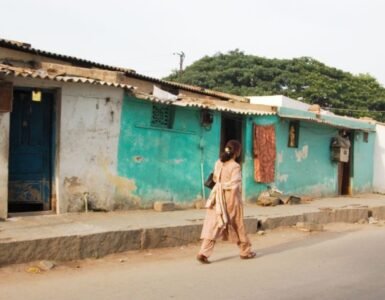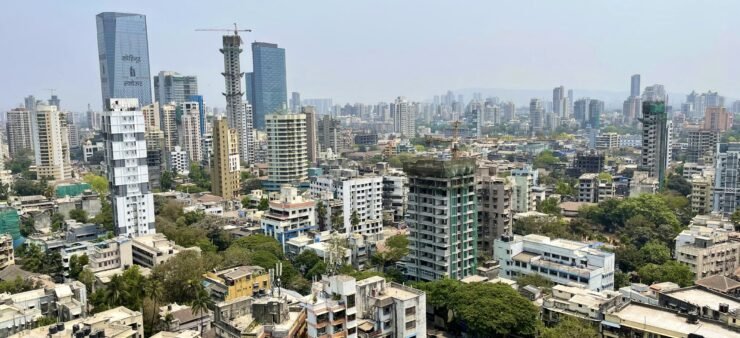
A culture of care is essential if roads, buildings, parks, transport systems and public facilities are to serve generations.
Across the world, governments and communities celebrate new infrastructure. A new road is opened with a ribbon-cutting ceremony; a new station, school or park becomes a symbol of progress. Yet the quieter work that follows repairs, cleaning, safety inspections, painting, servicing and routine upkeep rarely attracts the same enthusiasm. The result is a familiar pattern: countries continue to build while the assets they already own slowly deteriorate.
This is not simply a funding problem or an administrative failure. It reflects a broader weakness in the culture of maintenance. We are drawn to what is new, visible and impressive, but we often overlook the discipline required to keep ordinary things working well. Infrastructure lasts for generations only when maintenance is treated as a continuous civic practice rather than an occasional task.
The Hidden Cost of Neglect
Neglected maintenance creates costs that grow with time. A small crack in a road can become a pothole; a leaking roof can damage an entire building; a faulty light or faded sign can create a safety risk. Public transport vehicles that are not serviced regularly become unreliable and expensive to restore. What could have been addressed through modest, planned action eventually demands emergency repairs, major reconstruction or complete replacement.
The damage is not only financial. Poorly maintained public spaces reduce accessibility, lower confidence in institutions and weaken people’s sense of pride in their surroundings. When broken equipment, litter, damaged signs and unsafe footpaths become normal, neglect begins to reproduce itself. People are less likely to care for places that appear to have been abandoned by everyone else.
Maintenance Is an Investment, Not an Expense
Maintenance is often postponed because it is viewed as a cost with no immediate reward. In reality, it protects the value of past investment. Regular inspections, preventive servicing and prompt minor repairs extend the useful life of infrastructure, reduce disruption and improve safety. A well-maintained bridge, park or public building can serve many generations; a neglected one may fail long before its intended lifespan.
Governments therefore need to plan for the full life cycle of every asset. Approval for a new project should include realistic budgets, clear accountability and long-term schedules for inspection, cleaning, repair and eventual renewal. Announcing new construction while underfunding existing assets is not progress; it is the transfer of a larger bill to the future.
A Shared Civic Responsibility
Public authorities carry the primary responsibility for maintaining public infrastructure. They must set standards, conduct inspections, allocate funds, publish maintenance plans and respond to hazards. However, citizens also shape the condition of shared spaces through everyday behaviour. Using facilities responsibly, disposing of waste properly, reporting damage early and respecting public property all contribute to longer-lasting infrastructure.
Shared responsibility does not mean shifting the government’s obligations onto individuals. Rather, it means recognising that maintenance succeeds when competent institutions are supported by an attentive public. Authorities must make reporting problems simple and transparent, while communities must reject vandalism, careless use and the belief that public property belongs to no one. In truth, it belongs to everyone.
Building a Culture of Maintenance
A maintenance culture begins by valuing care as much as creation. Leaders should be recognised not only for launching projects but also for keeping existing services safe and reliable. Public agencies can publish asset-condition reports and maintenance targets. Schools, workplaces and community groups can teach practical stewardship. Designers and contractors can select durable materials and create assets that are easy to inspect, repair and adapt.
At the individual level, the required habits are simple but powerful: fix small problems before they grow, leave shared places in good condition, follow safety rules and report defects rather than assuming someone else will act. Repeated across a society, these habits turn maintenance from an afterthought into a public norm.
A Legacy of Care
The true test of development is not how much a country can build, but how well it can preserve what it has built. Roads, buildings, parks, signs, public transport and community facilities are promises made to the future. Fulfilling those promises requires patience, budgets, skilled workers, responsible institutions and citizens who understand that care is a form of ownership.
New and shiny projects may capture attention, but maintenance creates lasting value. When a society learns to respect upkeep, repair and stewardship, its infrastructure becomes safer, more reliable and more sustainable and the benefits of today’s investments can endure for generations.