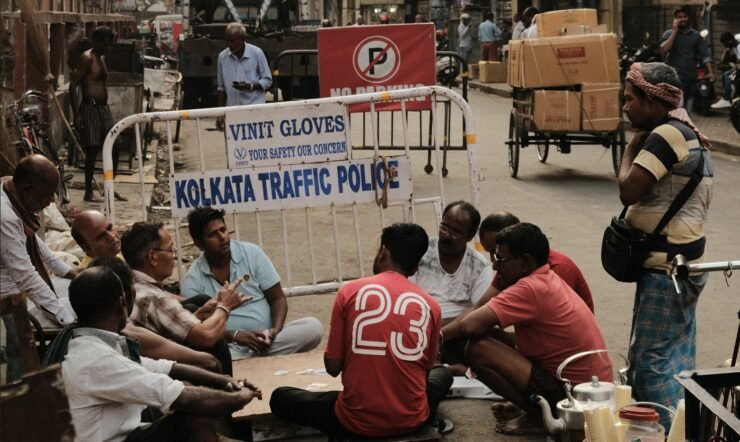
Blocking roads, disrupting daily life, creating noise, and chasing dramatic media footage are often treated as the default methods of protest. These tactics may attract attention, but attention alone is not the same as influence. When a demonstration mainly causes distress to commuters, workers, patients, students, or small businesses, the public may remember the disruption more clearly than the cause behind it.
In a modern democracy, citizens should expect more from protest: better preparation, clearer demands, and action directed towards the people who can actually change the decision.
Move from Outrage to Understanding
Anyone challenging a government action should first understand how that action was made. Which department is responsible? Who advised on the policy? Which minister, agency head, regulator, council, or parliamentary committee has authority over it? What problem was the decision intended to solve, what evidence supported it, and what trade-offs were considered?
Identifying the correct decision-maker prevents public anger from being aimed vaguely at “the government” when responsibility may sit with a particular office or level of government.
Serious advocacy also requires examining both the benefits and the costs of a policy. A proposal becomes more persuasive when it acknowledges legitimate objectives, identifies specific flaws, and offers a workable alternative. Asking precise questions about evidence, consultation, cost, implementation, affected communities, review mechanisms, and unintended consequences can expose weaknesses more effectively than slogans alone.
Take the Concern to the Institution
Citizens can contact the responsible department, seek meetings with officials, write to elected representatives, make submissions to inquiries, attend council or parliamentary hearings, use freedom-of-information processes where available, approach an ombudsman or regulator, and support lawful court challenges when rights or procedures are at issue. Community groups can commission research, gather testimony from affected people, publish policy briefs, and build coalitions around a specific remedy. These methods may appear less dramatic than occupying a road, but they create a record, place questions before accountable officials, and make it harder for decision-makers to ignore the substance of a complaint.
Unless the real motive is simply to cause disruption, generate publicity, create a rush of adrenaline, or gain popularity rather than achieve a constructive outcome an old-fashioned road protest is unlikely to be effective.
Use Digital Platforms Strategically
Social media gives modern movements tools that earlier generations did not possess. yes aome algorithms are known to be mischievous, campaigners can explain a policy in accessible language, publish documents, question officials publicly, organise supporters, collect signatures, raise funds, and show the human consequences of a decision. Popularity may follow, but visibility should support a clear objective rather than become the objective itself. A campaign should tell people what happened, who has the power to respond, what change is being requested, and how supporters can help.
Digital activism also carries responsibilities. Claims should be verified, criticism should focus on decisions rather than personal abuse, and complex issues should not be reduced to misleading fragments. A viral post can create momentum, but sustained change usually requires follow-up: correspondence, meetings, evidence, negotiation, legal scrutiny, electoral participation, and continued public reporting.
Grow Beyond Protest as Performance
We are not living in the nineteenth century. Citizens today have more channels through which to investigate decisions, organise support, question authority, and present alternatives. Those channels are imperfect and must sometimes be pressured, but protest should evolve with them. Generating excitement for its own sake is easy; converting public concern into a better decision is harder.
The future of civic action should be informed, targeted, creative, and accountable. Raise your voice, but know exactly whom you are addressing. Challenge authority, but understand the decision. Seek attention, but attach it to evidence and a practical demand. The measure of a protest should not be how much chaos it creates or how many cameras arrive. It should be whether it helps the public understand an issue and moves those with power towards meaningful change.