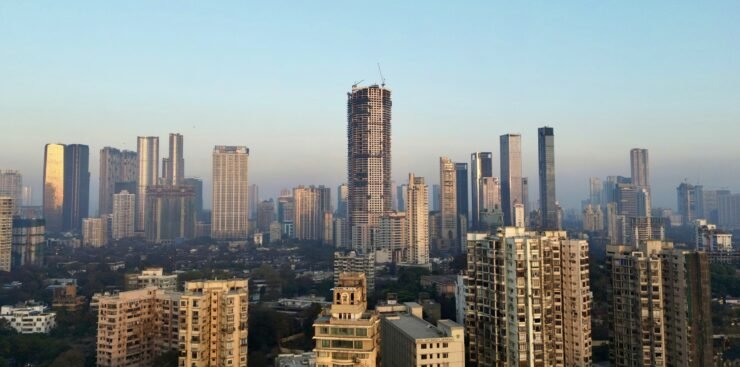
A skyline can change quickly. Glass towers rise, shopping districts expand, expressways open, and luxury developments promise a modern future. These images are impressive, easy to photograph, and convenient for governments and investors to present as evidence of progress. But a country does not become developed simply because its cities look expensive.
Real development is measured by the quality of ordinary life. Can people drink safe water, reach a doctor, learn in a functional school, travel safely, find dignified work, breathe clean air, and trust the institutions meant to serve them? If the answer is no, then the skyline may be modern while the society beneath it remains deeply underdeveloped.
Construction Is Not the Same as Development
Skyscrapers show that a country can mobilise capital, land, engineering, and political approval. They may create jobs, attract businesses, increase density, and support economic activity. Well planned urban construction can be useful.
The mistake is to treat the existence of tall buildings as proof that development has reached the wider population.
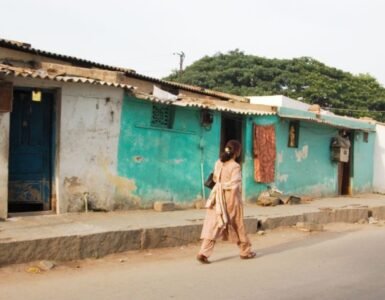
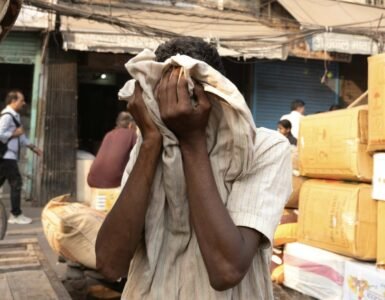
A tower may contain premium offices while nearby schools lack toilets. A luxury residential complex may overlook settlements without drainage. An airport may impress international visitors while local buses remain unsafe and unreliable. A city can host global companies and still leave millions of workers without secure housing, healthcare, or legal protection. Visible wealth can coexist with widespread deprivation.
Development Is What Works Every Day
The strongest signs of development are often unremarkable because they work quietly. Water arrives when a tap is opened. Electricity remains available. Rubbish is collected. Footpaths are usable. Ambulances arrive in time. Public toilets are clean. Building rules are enforced. Government offices answer requests. Courts resolve disputes without endless delay. These systems rarely dominate promotional videos, yet they shape life far more than a landmark tower.
People should not need influence to obtain a document, private wealth to receive basic healthcare, or daily ingenuity to navigate broken infrastructure.
Development should reduce the amount of effort required to live an ordinary life. A developed society makes essential systems dependable for everyone, including those with the least money and power.
People Are the Real Infrastructure
Roads, ports, power networks, and digital systems matter, but their purpose is to expand human capability. A nation advances when children are well nourished, students learn rather than merely attend school, workers acquire useful skills, women can participate equally, and families have realistic opportunities to improve their lives.
A poorly educated or unhealthy population cannot be compensated for by impressive buildings. Towers may create an image of prosperity, but the knowledge, judgement, health, trust, and productivity of people determine whether prosperity can last. Investment in human capability is less dramatic than a ribbon cutting ceremony, but it is the foundation of every successful economy.
Ask Who Benefits
Every development project should be examined through a simple question: who benefits? Does it create secure employment, improve transport, expand housing, reduce costs, strengthen public revenue, or make a service more reliable? Or does it mainly increase land values and private wealth while pushing lower income residents farther from jobs and public facilities?
Growth that enriches a small group while leaving the majority insecure is not complete development. Average income can rise while housing becomes less affordable. A city can attract investment while informal workers lose access to central areas. New infrastructure can increase national output yet deepen inequality if its costs and benefits are distributed unfairly.
A Country Can Build Both
The argument is not that countries should reject skyscrapers, business districts, airports, or ambitious construction. Modern economies need productive cities and high quality infrastructure. The issue is priority, design, and balance. A landmark project should not consume attention and resources while basic systems remain neglected.
Good infrastructure should connect people to opportunity. Dense buildings can reduce urban sprawl when they are supported by transport, utilities, public space, and affordable housing. Commercial development can strengthen public finances when taxation is fair and revenue is invested well. Construction becomes development when it improves the functioning of the wider society rather than merely decorating its wealthiest parts.
Measure the Life Behind the Skyline
A better measure of development would ask whether fewer children are malnourished, whether students can read and reason, whether preventable illness is declining, whether women are safe and economically independent, whether workers earn enough to live, whether housing is secure, and whether public institutions treat citizens fairly.
It would also examine time. How long does a person spend commuting, waiting for medical care, obtaining a permit, resolving a dispute, or collecting water? Time lost to broken systems is a form of poverty. A country becomes more developed when ordinary people gain greater control over their time, choices, and future.
Build a Society, Not Just a Skyline
Skyscrapers can be symbols of confidence, ingenuity, and economic ambition. But they are not a national report card. The true test of development is found at street level, in homes, schools, clinics, workplaces, buses, courts, and public offices.
A developed country is not one that merely looks modern from a distance. It is one that works well up close. Build towers where they add value, but do not mistake height for progress.
A nation rises not when its buildings reach higher, but when the quality of life at the bottom rises with them.